LAB 01Asbestos bulk identification
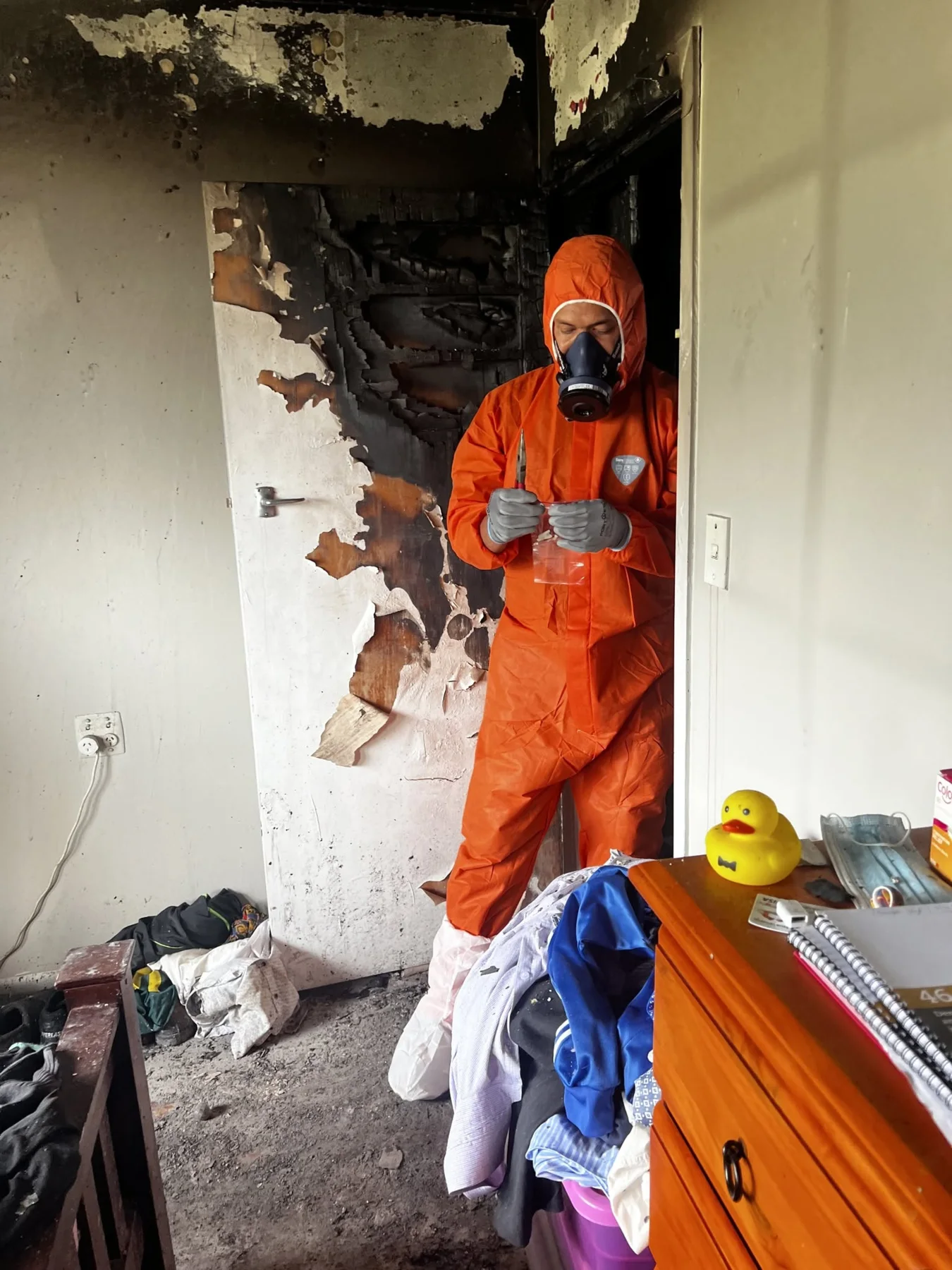
Qualitative identification of asbestos in suitable bulk materials using polarised light microscopy.
When to use it and what to expect
- When to use it
- You need to identify whether a suitable bulk material contains asbestos.
- Agree the outputs
- Confirm the sample type, analytical method, report and applicable accreditation scope. Soil is a separate service.
- To get started
- Describe the material and number of samples before arranging collection or delivery.
Fibre counting analysis
PCM analysis of membrane filters collected for asbestos air-monitoring programmes.
When to use it and what to expect
- When to use it
- An asbestos air-monitoring programme requires analysis of membrane filters.
- Agree the outputs
- Confirm the counting method, sample information and reporting requirements. A real-time dust reading is not a fibre count.
- To get started
- Share the monitoring context and ask about filter and chain-of-custody requirements.
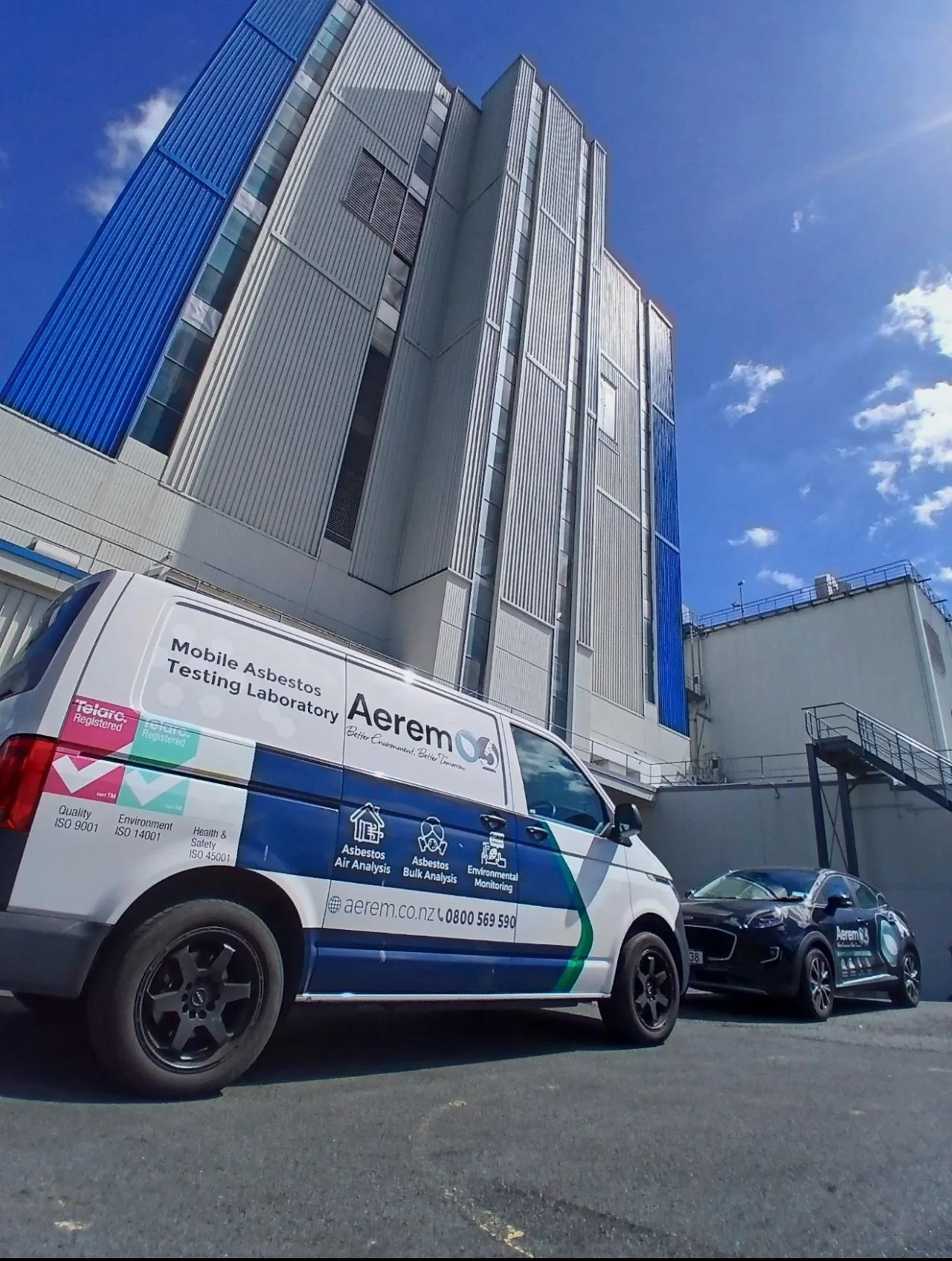
Mobile laboratory services
On-site bulk identification and fibre-counting capability for the activities listed on the current IANZ schedule.
When to use it and what to expect
- When to use it
- A project needs laboratory capability closer to the site.
- Agree the outputs
- Confirm the activities, facility listing, site requirements and reporting arrangements for the proposed work.
- To get started
- Share the site, planned activities, expected sample numbers and timing.
Asbestos soil analysis
Specialist soil assessment and analysis. This service sits outside the current IANZ schedule and must be scoped separately.
When to use it and what to expect
- When to use it
- You need to investigate possible asbestos in soil or contaminated land.
- Agree the outputs
- Agree the assessment, sampling and analysis scope separately. This service is outside the current IANZ schedule shown here.
- To get started
- Describe the site history, material and decision the results need to support.
Asbestos surveys
Management, refurbishment, demolition and targeted survey scopes matched to the planned work.
When to use it and what to expect
- When to use it
- You are managing a building or planning refurbishment, renovation or demolition.
- Agree the outputs
- Agree the survey type, areas, access limitations and report or register needed for the planned work.
- To get started
- Share the address, building information, planned work and any existing asbestos records.
Asbestos management plans
Practical registers and plans identifying known or presumed asbestos-containing materials, controls, responsibilities and review actions.
When to use it and what to expect
- When to use it
- You need a practical approach to managing known or presumed asbestos-containing materials.
- Agree the outputs
- Confirm the register, responsibilities, controls and review actions to be included.
- To get started
- Have the existing survey, register and intended use of the property ready.
Licensed assessor services
Independent air monitoring, clearance inspection and certification for the agreed removal scope.
When to use it and what to expect
- When to use it
- Asbestos removal work needs independent air monitoring or clearance assessment.
- Agree the outputs
- Agree the monitoring programme, inspection stages and certification required for the removal scope.
- To get started
- Share the removal plan, site, programme and relevant survey information.
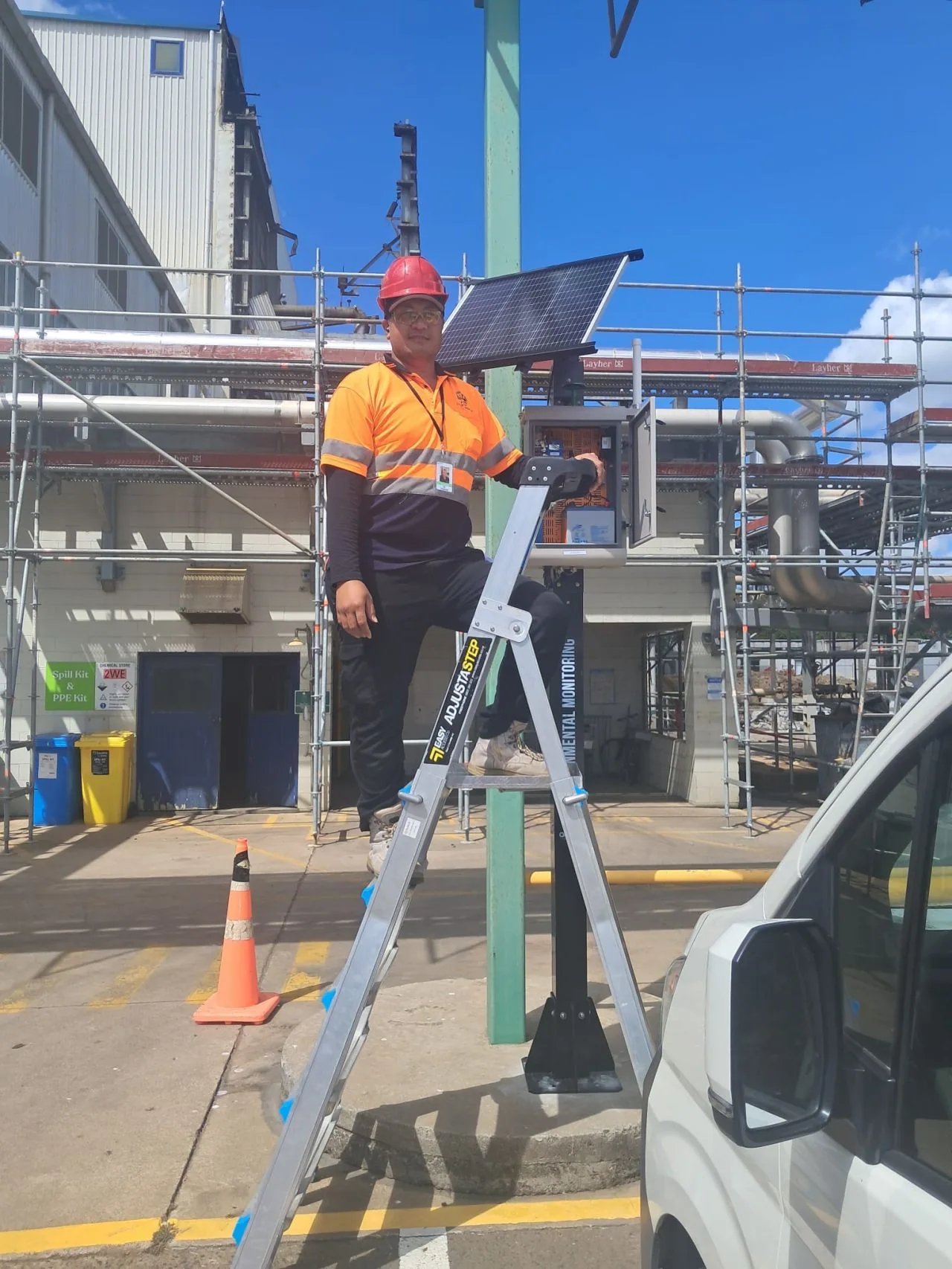
Real-time dust monitoring
Track changes in airborne particulate levels during dust-generating work and assess site conditions and controls.
When to use it and what to expect
- When to use it
- You need baseline information, checks during dusty work or monitoring around boundaries and transit routes.
- Agree the outputs
- Agree locations, monitoring periods, interpretation and reporting. Particulate readings do not identify asbestos or silica.
- To get started
- Describe the work, site layout, nearby receptors, timing and controls you want to check.
Silica assessments
Personal and task-based monitoring to assess exposure to respirable crystalline silica and the effectiveness of controls.
When to use it and what to expect
- When to use it
- Work may expose people to respirable crystalline silica.
- Agree the outputs
- Agree representative personal or task-based monitoring, analysis and how findings will inform control advice.
- To get started
- Describe materials, tasks, work patterns and existing controls.
Noise testing and monitoring
Assessments of personal noise exposure, area noise levels, noise sources and environmental noise, with practical recommendations.
When to use it and what to expect
- When to use it
- You need to understand workplace noise exposure or an environmental noise concern.
- Agree the outputs
- Agree personal or area monitoring, relevant locations and the assessment and recommendations required.
- To get started
- Describe the source, affected people or locations, working hours and concern.
Indoor air quality assessments
Targeted assessment of ventilation, particles, comfort conditions and suspected indoor sources.
When to use it and what to expect
- When to use it
- A building has ventilation, particle, comfort or suspected indoor-source concerns.
- Agree the outputs
- Agree the questions, measurements and interpretation needed for the building and its use.
- To get started
- Share the symptoms or observations, affected areas, occupancy and any previous findings.
Mould assessments
Visual inspection, assessment of moisture conditions and targeted sampling where it provides useful evidence.
When to use it and what to expect
- When to use it
- You have visible mould, a dampness concern or a history of water damage.
- Agree the outputs
- Agree the inspection, moisture assessment and whether targeted sampling would provide useful evidence.
- To get started
- Share the affected locations, observations, water-damage history and available photographs.
Moisture assessments
Independent inspection and moisture measurement to identify dampness, leaks and water ingress.
When to use it and what to expect
- When to use it
- You need to investigate dampness, a leak or possible water ingress.
- Agree the outputs
- Agree the inspection areas, moisture measurements and reporting needed to understand the concern.
- To get started
- Describe when and where the issue appears and any previous repairs or findings.
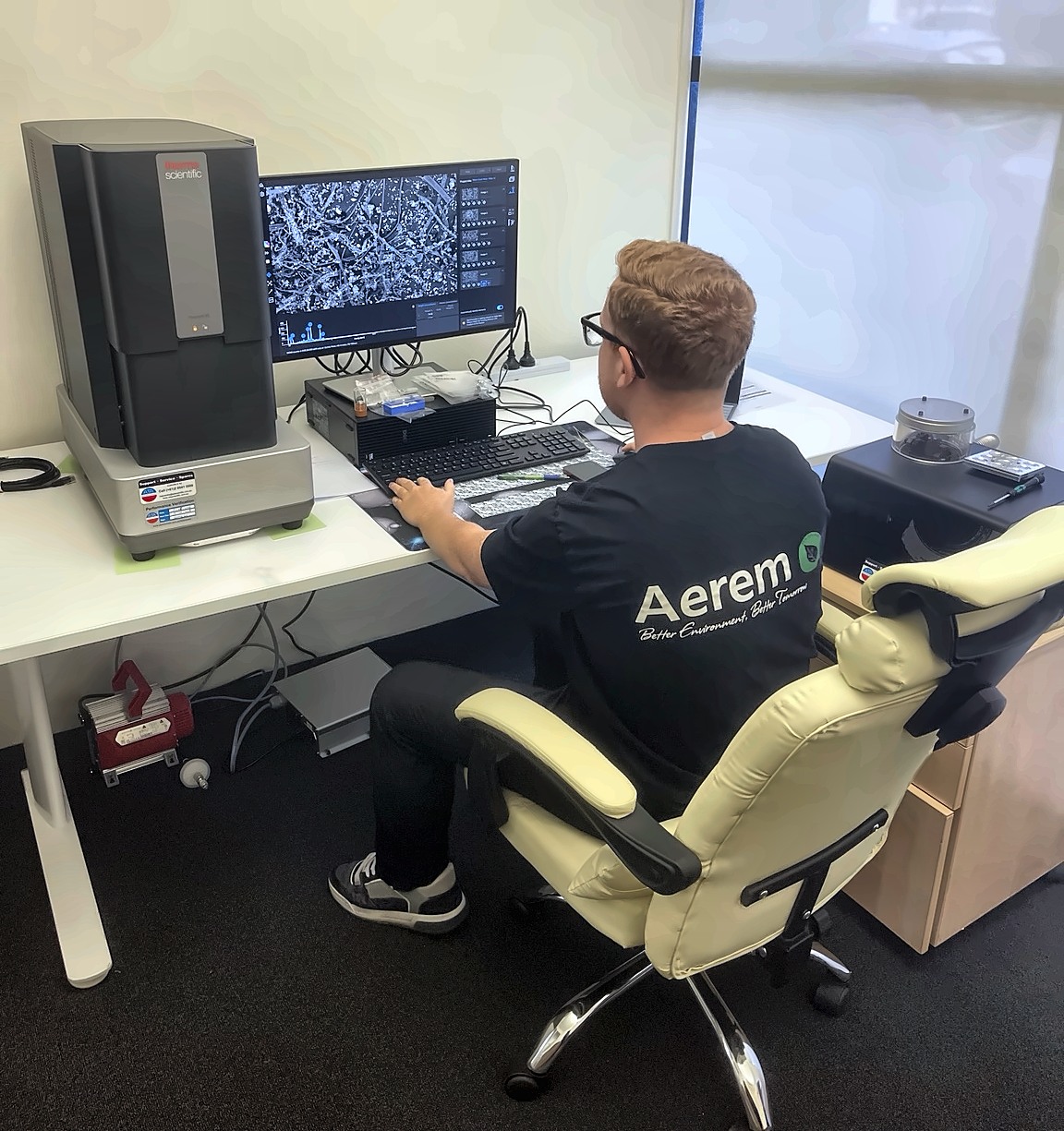
SEM/EDS analysis
High-resolution imaging and targeted elemental analysis for fibres, particles, minerals and material investigations.
When to use it and what to expect
- When to use it
- You have a detailed fibre, particle, mineral or material question that needs advanced microscopy.
- Agree the outputs
- Agree the imaging, targeted elemental analysis and reporting limits. Confirm accreditation status for the specific activity.
- To get started
- Describe the material, sample origin and the question you want the analysis to answer.